Last updated: July 10, 2026 · Prices reviewed quarterly
A home solar battery costs $9,000 to $18,000 installed before incentives in 2026 — figure $850–$950 per kilowatt-hour of usable storage across the major brands. The big change this year: the 30% federal residential tax credit is gone as of 2026, so the math now leans on state rebates, utility programs and time-of-use arbitrage rather than a guaranteed federal discount.
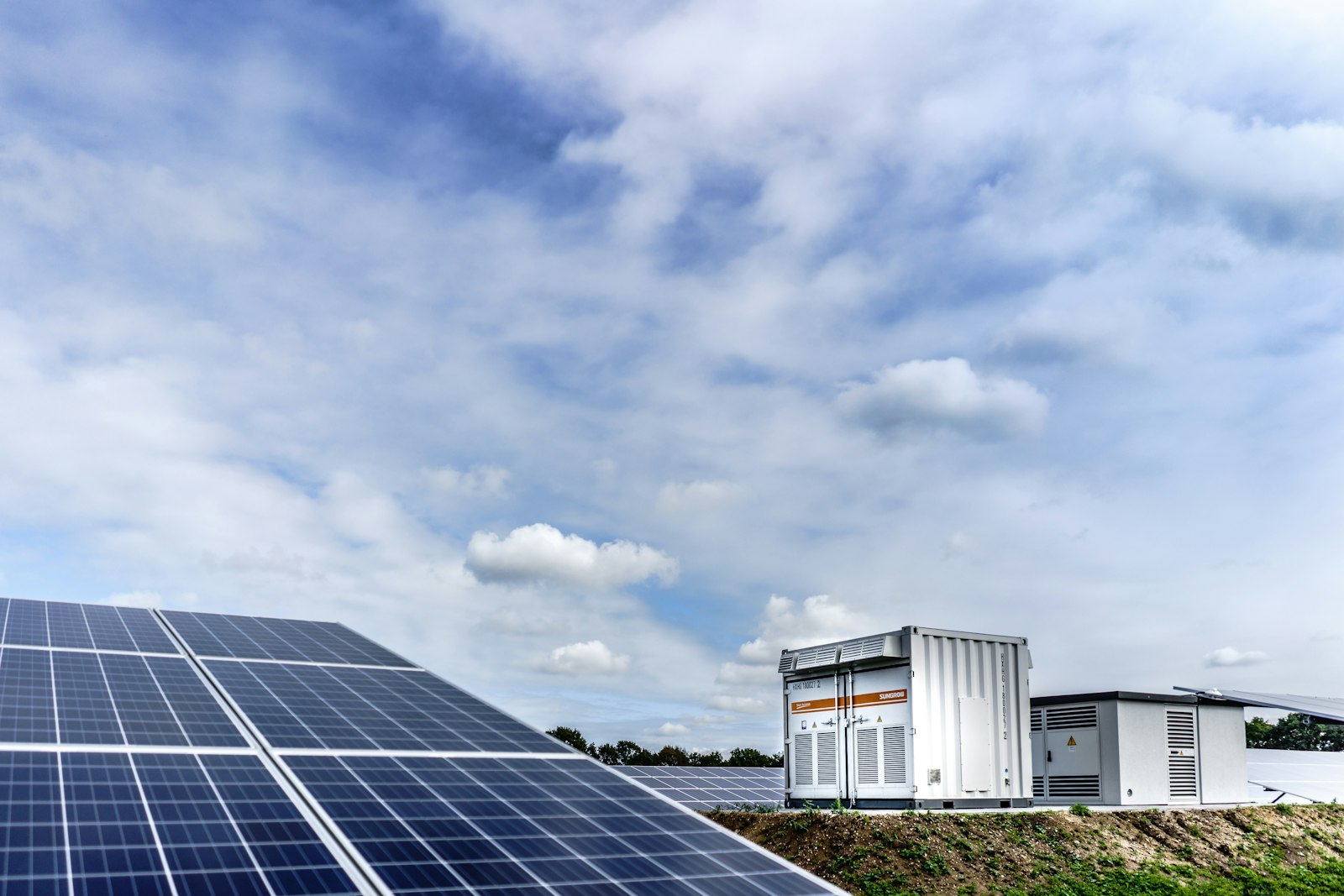
What solar battery cost looks like installed
| System | Usable capacity | Typical 2026 installed price |
|---|---|---|
| Tesla Powerwall 3 | 13.5 kWh | $12,000 – $16,600 |
| Enphase IQ 5P (x2) | 10 kWh | $10,000 – $14,000 |
| Franklin aPower 2 | 15 kWh | $12,000 – $16,000 |
| Budget LFP + hybrid inverter | 10 kWh | $9,000 – $12,000 |
| Whole-home backup (2 batteries) | 25–30 kWh | $20,000 – $32,000 |
Ranges compiled from 2026 pricing published by EnergySage, SolarReviews and Solar.com. Quotes vary sharply by region — the same Powerwall 3 that installs for $12,000 in Texas can invoice near $16,600 in the Northeast.
The incentive picture after the federal credit
With the federal credit expired, what is left: state and utility programs in California (SGIP), New York, North Carolina and Colorado remain the strongest — worth $150–$400 per kWh in the right utility territory. Manufacturer promotions come and go; Tesla ran a $500-per-unit rebate on Powerwall 3 orders in early 2026. Virtual power plant (VPP) enrollment pays $400–$1,500 per year in some markets for letting the utility tap your battery during peak events. Stack whatever applies — post-credit, a realistic net cost for one battery is $6,000–$12,000 where programs exist.
When a battery pays for itself (and when it doesn’t)
Three cases actually pencil out: time-of-use rates with a wide peak/off-peak spread (charge cheap, discharge at 5–9pm), poor net-metering where exported solar earns pennies (California NEM 3.0 territory), and outage-prone grids where backup has real value. If you have full retail net metering and a stable grid, the battery is a comfort purchase, not an investment — the panels alone carry the return, as we show in our solar payback analysis.
Installation notes that change the quote
Adding a battery to an existing solar system may require an inverter swap ($2,000–$4,000 extra) unless you buy a battery with its own inverter built in. Panel upgrades: homes with 100-amp service often need a subpanel or load management ($800–$2,500). Placement matters — garages are cheapest; exterior walls in hot climates may need shade engineering. Get battery pricing quoted together with your solar installation when possible; combined projects share permitting and labor.
FAQ
How long do solar batteries last?
Current LFP chemistry is warrantied for 10 years / ~70% retained capacity, and real-world degradation is running better than the paper numbers. Expect a useful 12–15 years.
Can a battery run my whole house?
One 13.5 kWh battery backs up essentials (fridge, lights, internet, furnace fan) for 12–24 hours. Whole-home backup including AC needs 2–3 batteries plus load management — that is the $25,000+ tier.
Is DIY battery installation realistic?
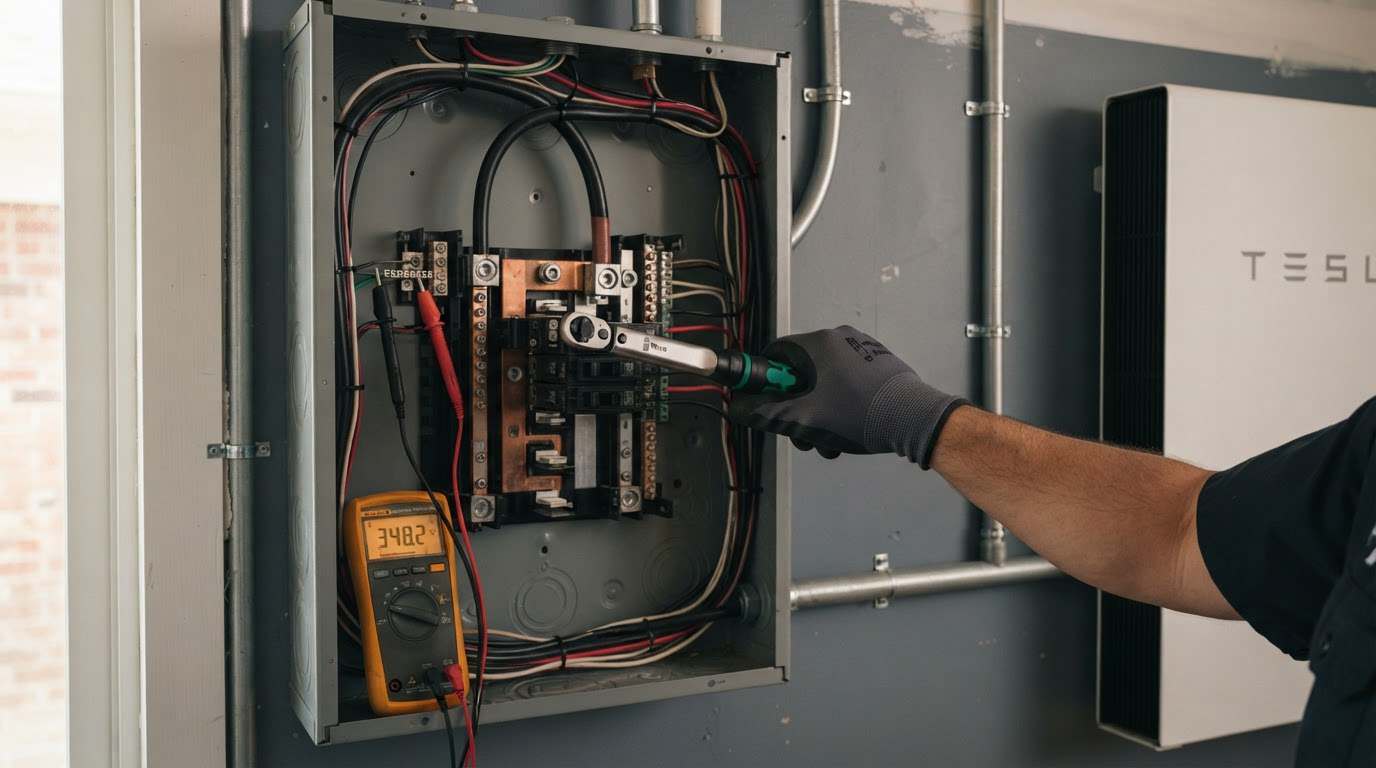
No. This is high-amperage electrical work tied into your main panel, usually requiring permits and utility interconnection approval. DIY voids most warranties and some insurance policies.
Prices on this page are researched estimates compiled from the cited sources; your local costs will vary with market, access and scope. Always get multiple written quotes from licensed professionals before committing.